
How to Care for Your Skin Before and After Laser Tattoo Removal
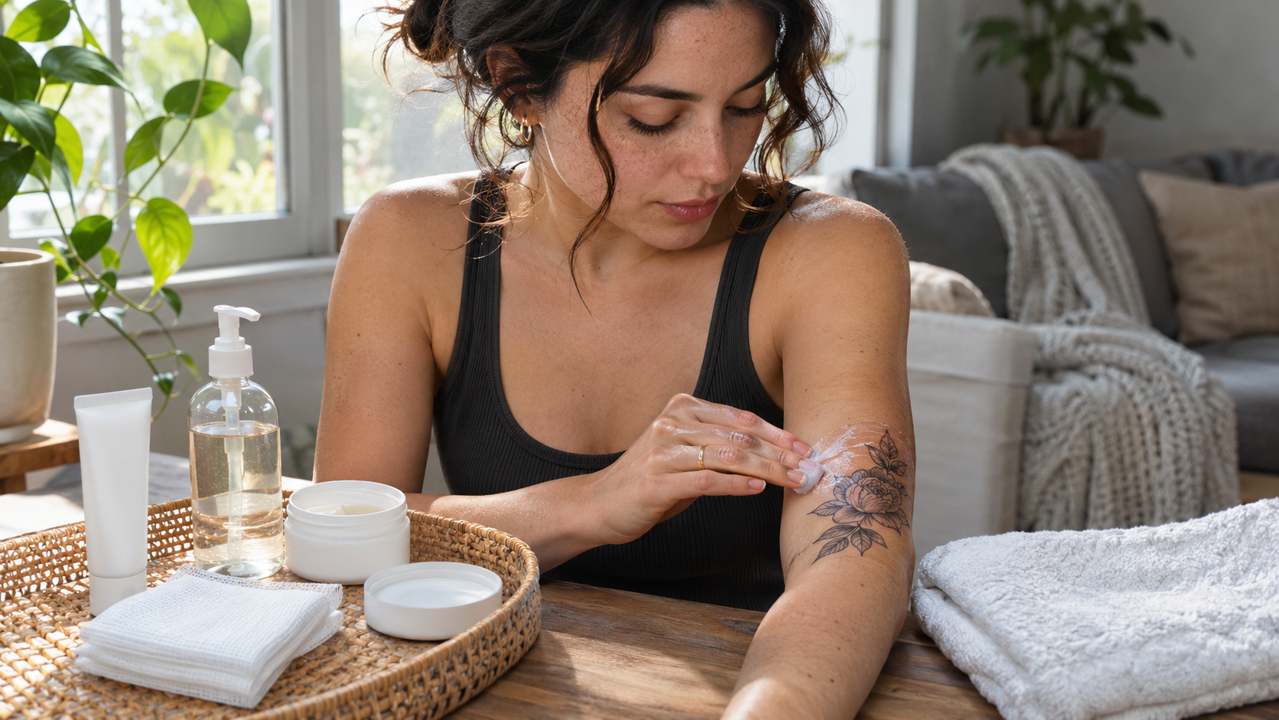
Proper skin care plays an important role in recovery following laser tattoo removal. The procedure can temporarily leave the skin sensitive, swollen, and vulnerable to irritation. Protecting the treated area, following professional aftercare instructions, and allowing enough healing time can help reduce the risk of complications and support healthy skin recovery.
Individuals researching laser tattoo removal in Ponsonby should understand what skin preparation and recovery involve. The American Academy of Dermatology (AAD) emphasizes the importance of professional assessment and appropriate aftercare. Developing a simple skin care routine before the first appointment can make the recovery process easier to manage.
1. Prepare Your Skin Before Treatment
Good skin care begins several weeks before a laser treatment appointment. Arriving with healthy, undamaged skin helps practitioners assess the treatment area and select appropriate laser settings.
Limit Sun Exposure
Excessive sun exposure can increase skin sensitivity and affect how the skin responds to laser energy. Sunburn and recent tanning may also increase the risk of burns and pigmentation changes.
The Australian Radiation Protection and Nuclear Safety Agency (ARPANSA) recommends informing treatment providers about recent sun exposure and artificial tanning. Practitioners may recommend postponing treatment until the skin has recovered.
Discuss Your Medical History
A consultation provides an opportunity to discuss health concerns that could influence treatment. Be honest about medications, supplements, allergies, and previous skin reactions.
Important information to share includes:
- Current prescription and over-the-counter medications.
- A history of unusual scarring or keloids.
- Existing skin conditions, including eczema or psoriasis.
- Previous allergic reactions to tattoo pigments.
- Medical conditions that may affect wound healing.
Never stop taking prescribed medication without consulting the healthcare professional responsible for your treatment.
2. Understand What Happens During the Procedure
Knowing how laser tattoo removal works can help reduce uncertainty. The procedure uses concentrated pulses of light to break tattoo pigment into smaller particles. The body’s natural processes gradually clear some of these particles over time.
The U.S. Food and Drug Administration (FDA) explains that tattoo removal generally requires multiple laser sessions. Results depend on several factors, including ink characteristics and individual skin responses.
Immediately after treatment, the skin may feel warm, tender, or slightly swollen. Temporary whitening, redness, and blistering may also occur. These reactions can result from the interaction between laser energy, tattoo pigment, and surrounding skin.
Some discomfort is expected. However, severe or increasing pain should never be ignored.
3. Follow Immediate Aftercare Instructions
The first few days following treatment deserve particular attention. Keep your skin care routine simple and follow the instructions provided by your practitioner.
Clean the Area Gently
Wash your hands before touching treated skin. When cleansing is permitted, use lukewarm water and a mild, fragrance-free cleanser. Avoid scrubbing or rubbing the area.
Guidance from the American Academy of Dermatology highlights the importance of keeping treated skin clean, appropriately moisturized, and protected during recovery. Understanding the principles of holistic skincare and clean ingredients can also encourage more thoughtful product choices. However, natural ingredients are not always suitable for sensitive or healing skin. Use only products recommended by your treatment provider to avoid unnecessary irritation.
Use Appropriate Skin Protection
Your practitioner may recommend a suitable ointment or non-stick dressing. Follow their instructions regarding application and dressing changes.
During early recovery, avoid:
- Harsh exfoliating products and chemical peels.
- Fragranced lotions and irritating cosmetics.
- Swimming pools, hot tubs, and saunas until healing permits.
- Tight clothing that rubs against treated skin.
When comparing local treatment providers, examine their consultation process, written aftercare instructions, and approach to managing skin sensitivity. Ask whether follow-up assistance is available if unexpected reactions develop between appointments.
4. Protect Your Skin Throughout the Healing Process
Skin recovery continues after the initial discomfort disappears. Maintaining protective habits during this period remains important.
Make Sun Protection a Priority
The American Academy of Dermatology recommends protecting treated skin from sunlight for three months following laser tattoo removal.
Wear loose, protective clothing and seek shade whenever possible. Once the skin has healed sufficiently, use a broad-spectrum sunscreen with SPF 30 or higher. Ask your practitioner when sunscreen application is appropriate.
Leave Blisters and Scabs Undisturbed
Picking scabs or deliberately opening blisters can damage healing tissue. It may also increase the risk of infection and permanent scarring.
If a blister becomes large, painful, or uncomfortable, contact your treatment provider rather than attempting to drain it yourself.
5. Recognize Potential Complications
Although mild redness and tenderness are common after treatment, worsening symptoms may indicate a complication. Check the treated area daily and pay attention to changes in its appearance.
The Centers for Disease Control and Prevention (CDC) identifies swelling, redness, pain, fever, and chills as possible symptoms of bacterial skin infections.
Seek prompt medical assessment if you notice:
- Redness spreading beyond the treatment area.
- Increasing pain, warmth, or swelling.
- Pus or unusual discharge.
- Fever or chills.
- Persistent sores or delayed wound healing.
Rapidly spreading redness accompanied by fever requires urgent medical attention. Early assessment can help prevent an infection from becoming more serious.
Changes in skin pigmentation may also develop. The Mayo Clinic identifies skin discoloration and scarring as potential risks of tattoo removal. Discuss persistent changes with a qualified healthcare professional.
6. Allow Adequate Recovery Time Between Sessions
Tattoo removal is a gradual process. Scheduling appointments too close together may interfere with skin recovery.
Experts at The Ohio State University Wexner Medical Center describe treatment intervals of four to eight weeks to allow healing and pigment clearance. However, some individuals may require longer breaks.
Recovery times can vary depending on several factors:
- Natural skin tone and sensitivity.
- Tattoo size, location, and ink composition.
- Individual healing ability.
- Laser technology and treatment intensity.
Avoid comparing your progress with someone else’s results. Your practitioner should assess the condition of your skin before proceeding with another session. Rescheduling may be necessary if irritation or inflammation persists.
Make Healthy Skin Recovery the Priority
Successful recovery after laser tattoo removal depends on individualized care, appropriate treatment intervals, and professional guidance. Simple habits such as gentle cleansing, sun protection, and regular skin monitoring can make recovery more manageable.
Remember that complete tattoo removal is not always possible. Rather than rushing toward a cosmetic goal, prioritize healthy skin throughout the process. Maintain open communication with your practitioner and allow your body sufficient time to recover between treatments.


